

Stop-Market vs. Stop-Limit Orders in U.S. Stocks: Why Sell Executions Differ During Sharp Price Drops
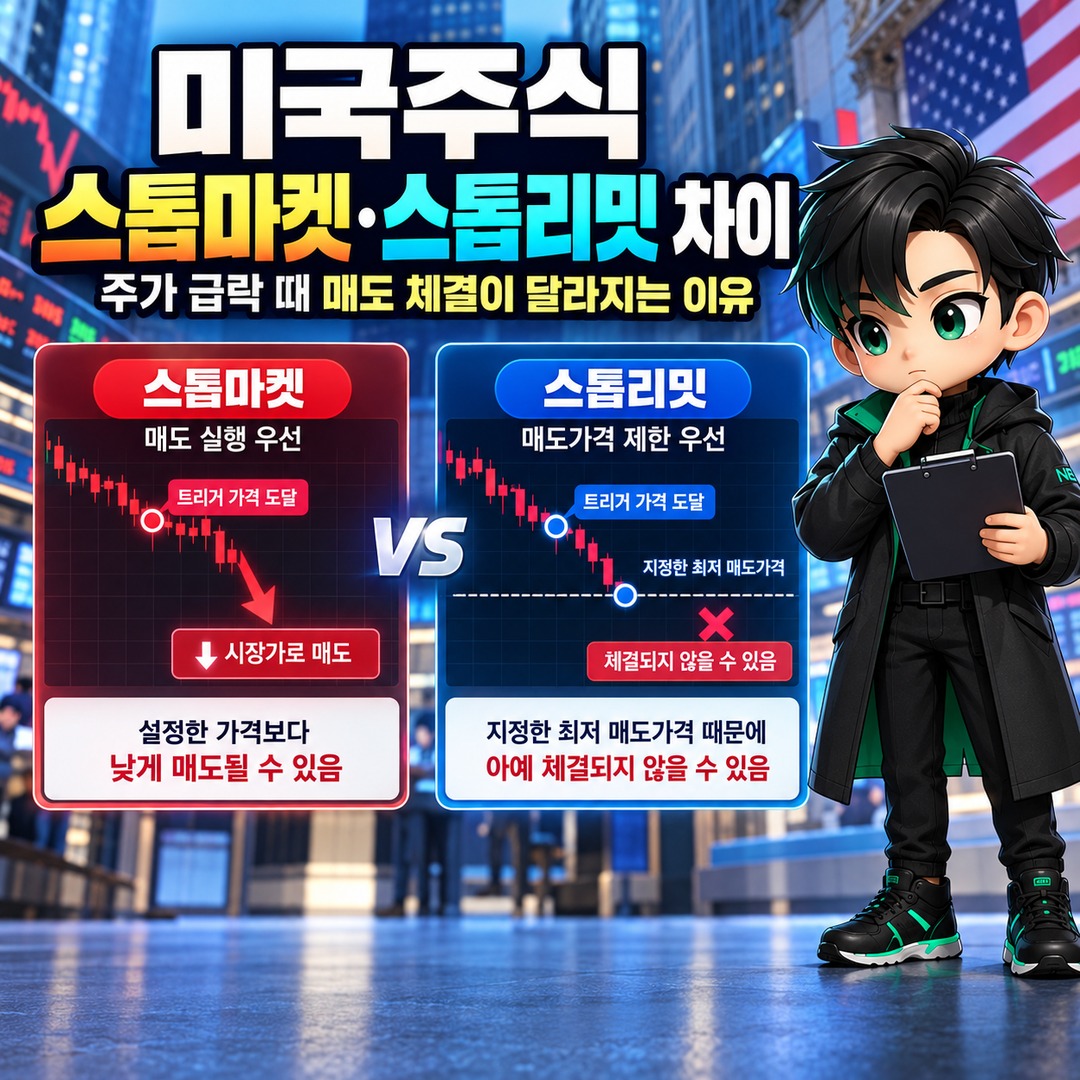
When U.S. stocks plunge, a stop-market order may execute at a price below the specified stop price, while a stop-limit order may not execute at all because of its minimum selling price. Both orders are used to limit losses, but the key difference is that stop-market orders prioritize executing the sale, while stop-limit orders prioritize restricting the selling price.

Based on investor guidance from the U.S. Securities and Exchange Commission (SEC) and order explanations provided by U.S. brokerages as of 2026-10-20, let's examine how these orders behave during an actual market plunge.
Stop-Market and Stop-Limit Orders Differ in How They Are Activated
A stop-market order converts into a market order when the stock price reaches the specified stop price. In contrast, a stop-limit order converts into a limit order when the stop price is reached.
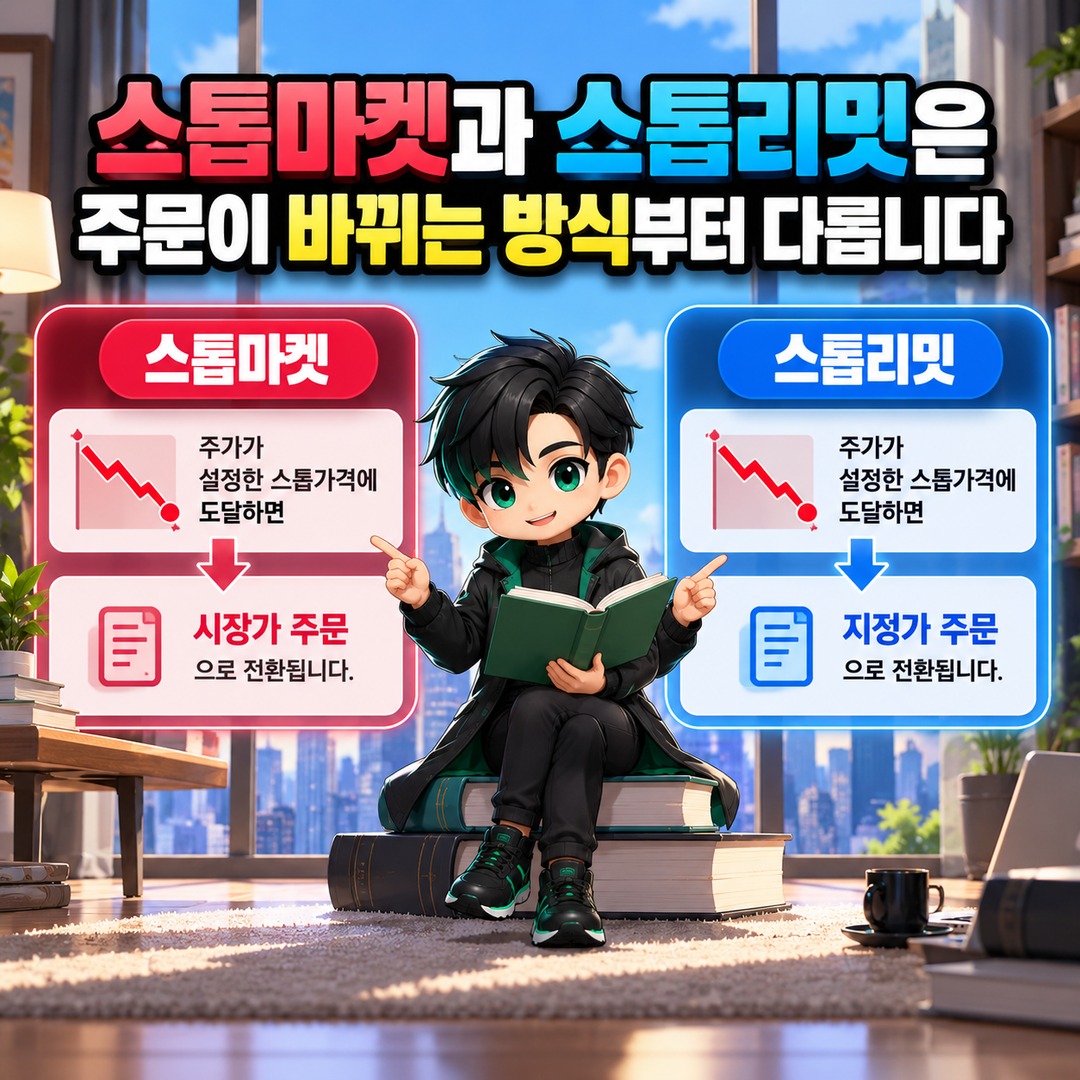
The stop price is not a guaranteed selling price. It is the threshold that activates the order.
The differences between the two orders can be summarized as follows.
| Category | Stop-Market | Stop-Limit |
|---|---|---|
| Order type after activation | Market order | Limit order |
| Minimum selling price | None | Can be specified |
| During a sharp decline | May execute at a lower price | May remain unfilled |
| Main risk | Selling at a lower price than expected | Risk of continuing to hold the stock |
A stop-market order is better suited to increasing the likelihood of selling, but it does not guarantee the desired price.
A stop-limit order can prevent a sale below the specified price, but the order may remain open if no buyer is willing to pay that price.
If a Stock at USD 100 Plunges to USD 85, Which Order Will Execute?

Suppose you own a U.S. stock trading at USD 100.
You want to sell if the stock price falls to USD 95.
You configure the two orders as follows.
Stop-market: Stop price USD 95
Stop-limit: Stop price USD 95, limit price USD 93
Now suppose the stock plunges to around USD 85 without an opportunity to trade near USD 95.

With a Stop-Market Order
Once the stop-price trigger condition is met, the order converts into a market sell order.
If the available buying price is USD 85 when the order reaches the market, it may execute at that price.
Although you set the order intending to sell at USD 95, the actual sale takes place at USD 85.
With a Stop-Limit Order
Once the stop-price condition of USD 95 is met, a limit sell order at USD 93 becomes active.
However, if buyers are only willing to pay around USD 85, you cannot sell at USD 93 or higher.
As a result, the order may remain unfilled.
If the stock continues to decline, you remain exposed to additional losses while still holding the shares.
This is a hypothetical scenario intended to explain how the orders work. Actual activation and execution prices depend on factors such as the brokerage's trigger criteria, eligible trading hours, and market liquidity.
Why Stop-Market Orders Cannot Guarantee the Specified Price During a Plunge
The USD 95 stop price on a stop-market order is a trigger for conversion into a market order, not a guaranteed selling price.
U.S. stock prices can move rapidly depending on trading volume and available bid and ask quotes.
Large differences between consecutive trading prices can occur, particularly after corporate earnings announcements or unexpected news.
This phenomenon, in which prices skip an intermediate range, is known as a gap.
For example, if a stock closed at USD 100 the previous day and begins trading at USD 85 in the next regular session, a stop-market order triggered at USD 95 does not guarantee a sale at USD 95.
The actual execution price depends on available bids and order quantities.
A stop order may also be triggered when a stock plunges briefly before recovering.
Therefore, setting a stop-market order does not mean your maximum loss is fixed at the stop price.
Does Lowering the Limit Price Change How a Stop-Limit Order Works?
For a sell stop-limit order, the limit price can generally be set below the stop price.
For example, suppose you set the stop price at USD 95 and choose limit prices of USD 94, USD 92, and USD 90, respectively.
The lower the limit price, the wider the range of buy orders that can be matched, increasing the potential for execution.
However, if the stock plunges to USD 85 and no buyers are willing to pay USD 90 or more, even an order with a limit price of USD 90 may remain unfilled.
The important point is that lowering the limit price does not guarantee execution.
Furthermore, setting the limit price excessively low also lowers the minimum selling price you are willing to accept if the order executes.
Ultimately, a stop-limit order protects your minimum acceptable selling price at the cost of accepting the risk that the sale may not happen at all.
How Much Could You Lose If You Hold 100 Shares?
Suppose you own 100 shares of a U.S. stock purchased at USD 100 per share.
Your total purchase amount is USD 10,000.
If you set a stop-market order at USD 95 but all shares actually execute at USD 85, the total sale proceeds would be USD 8,500.
Compared with the purchase amount, the loss would be USD 1,500, representing a loss rate of 15%.
On the other hand, if you set a stop-limit order to trigger at USD 95 and sell at USD 93, but the order remains unfilled, you would still hold all 100 shares.
When the stock price is USD 85, the market value of your holdings would be USD 8,500, with an unrealized loss of USD 1,500.
Although the size of the loss is the same at that moment in both scenarios, the outcomes are different.
With the stop-market order, the loss is realized if all shares are sold at USD 85. With the stop-limit order, the position remains exposed to future price movements because the order has not executed.
If the stock declines further, the unrealized loss on the stop-limit position may increase. Conversely, if the stock rebounds, the unrealized loss may decrease.
These calculations are hypothetical and exclude commissions, taxes, and exchange-rate fluctuations.
Do Stop Orders Work Automatically During U.S. Pre-Market and After-Hours Trading?
You should not assume that stop-market and stop-limit orders operate identically during all trading hours.
In addition to regular trading sessions, U.S. stocks have pre-market and after-hours sessions.
The hours during which stop orders are supported and the criteria used to trigger them may differ by brokerage.
In particular, even if a stock moves sharply outside regular trading hours, a stop order that is not active during those hours may encounter a very different price when trading becomes available again.
Large price gaps can also occur when trading resumes after a suspension.
Therefore, Korean investors should check the following details in their brokerage's overseas stock trading guidelines.
1. Whether both stop-market and stop-limit orders are supported
2. Whether stop prices are monitored outside regular trading hours
3. Whether stop orders are triggered by the most recent trade price or by bid and ask quotes
4. Whether orders expire at the end of the trading day or remain active until canceled
5. How the remaining order quantity is handled after a partial fill
Even if the order screen allows you to enter both a stop price and a limit price, that does not mean the activation hours and conditions are identical.
Which Order Should You Choose to Cut Losses?
If your top priority during a sharp decline is to sell the stock, the structure of a stop-market order is more closely aligned with that objective.
However, because the actual selling price may be substantially lower than expected, you should not treat the stop price as a maximum loss limit.
Conversely, if you do not want to sell below a certain price, a stop-limit order is better aligned with that requirement.
In exchange, you must accept that the shares may remain unsold if no buyers are willing to pay your limit price.
Neither order can be considered universally safer.
Stop-market orders carry price risk, while stop-limit orders carry non-execution risk.
Both risks are particularly important when trading highly volatile U.S. stocks.
Before placing an actual order, check your brokerage's trading hours and trigger conditions. You should also consider which risk you can tolerate: selling at a price significantly below expectations or being unable to sell at all.
A stop-market order is not an order to sell at your desired price, and a stop-limit order is not an order guaranteed to execute. Understanding this distinction is the most important factor when choosing between the two orders during a market plunge.\
※ This article is provided for informational purposes to help readers understand market behavior and does not constitute investment advice or a recommendation to buy or sell any particular security or asset. Final investment decisions and responsibility rest with the individual investor.