

Heavy Rain on the Night of July 18: Which Areas Will See Intensifying Rain Early on 19?
이 포스팅은 쿠팡 파트너스 활동의 일환으로, 이에 따른 일정액의 수수료를 제공받습니다.
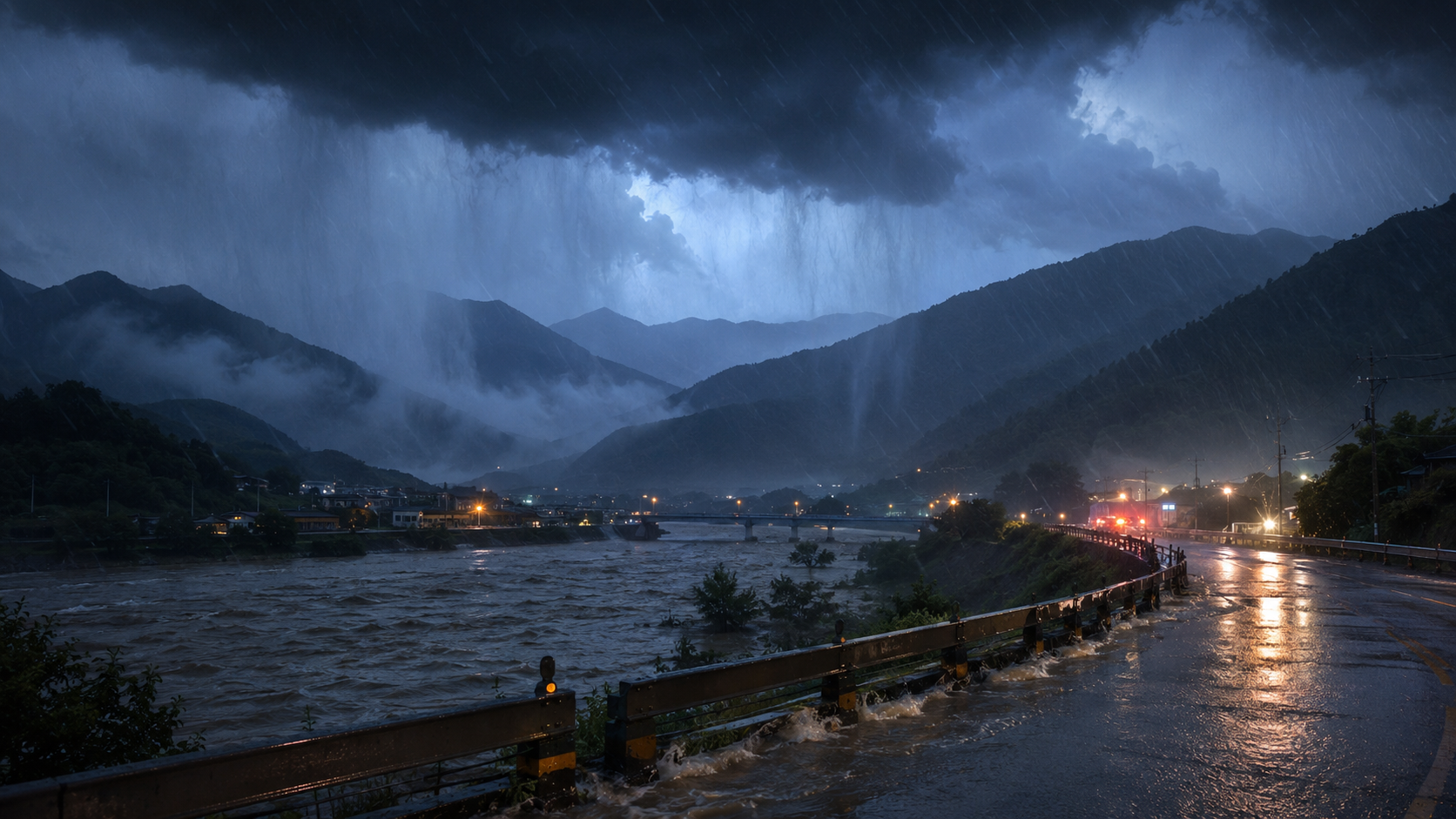
This article is based on the latest available news reports and official information verified as of 2026-07-18 Korea Standard Time.
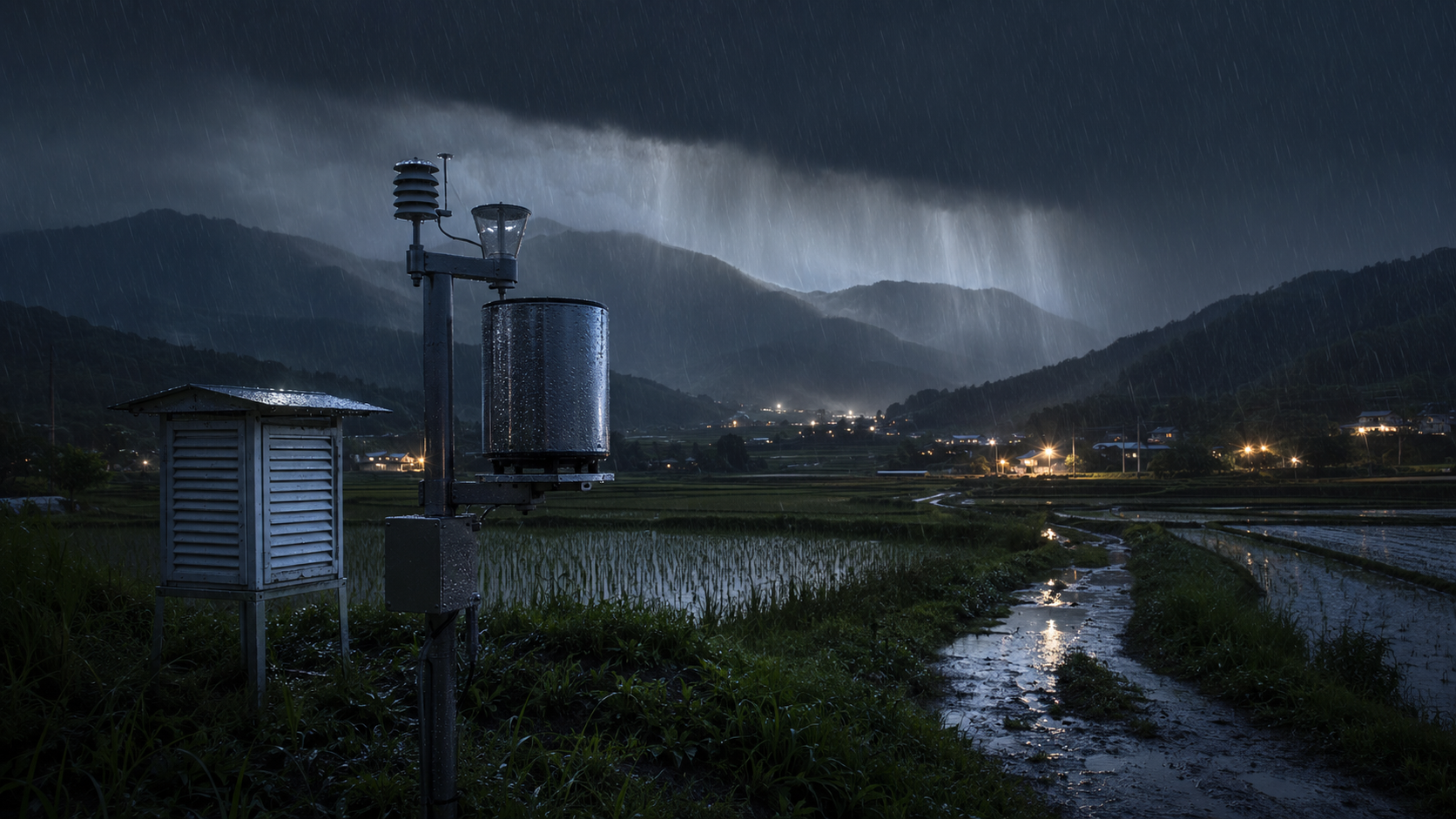
As of the night of 2026-07-18, greater attention should be paid to central and southern Gangwon, the Chungcheong and Jeolla regions, North Gyeongsang, and inland western South Gyeongsang than to Seoul and Incheon, which experienced heavy rain earlier in the day.
According to weather information issued by the Korea Meteorological Administration (KMA) at 6:10 p.m. on 18, the main rain band was moving southward, with some locations in these regions expected to receive intense rainfall of 20~50 mm per hour from nighttime through 19. At 9:10 p.m., preliminary heavy rain advisories were also issued for the early hours of 19 in parts of Gangwon, Chungcheong, North Jeolla, South Jeolla, North Gyeongsang, and South Gyeongsang.
Even in areas where the rain has temporarily stopped, it could intensify again before dawn. It is therefore important to check the latest weather alerts and radar updates rather than relying solely on current conditions outside.
After Morning Downpours in the Seoul Metropolitan Area, the Areas at Risk Shifted by Night
During the early hours of 18, intense rainfall was concentrated over a short period in parts of Seoul, Incheon, and Gyeonggi Province. In Seoul, cumulative rainfall from 17~18 in Eunpyeong District reached 166 mm, while Seodaemun District experienced rainfall of 64.5 mm per hour at one point.
Rising water levels in Jungnangcheon Stream prompted a temporary full closure of Dongbu Expressway in the morning. Traffic resumed at 11:16 a.m., while access to 22 streams in Seoul remained restricted as of 1 p.m.
Figures released in the afternoon by the Central Disaster and Safety Countermeasures Headquarters confirmed 148 cases of flooding involving homes and roads, along with 392 safety response incidents involving soil runoff, fallen trees, and other hazards. No casualties were reported in the official figures at that time, but 95 people from 44 households had temporarily evacuated. These figures may change as additional reports are received and recovery work progresses.
The easing of rainfall in the Seoul metropolitan area, where damage was significant in the morning, does not mean the nationwide heavy rain situation has ended. From the night of 18, attention should shift to the movement of concentrated rainfall toward Chungcheong and the southern regions.
Areas Requiring Particular Attention Early on 19
The preliminary heavy rain advisories announced at 9:10 p.m. covered all or parts of the following areas.
Gangwon: Taebaek, Yeongwol, Wonju, Hoengseong, and mountainous areas of Pyeongchang, Jeongseon, and Samcheok, among others
Chungcheong: North Chungcheong, Daejeon, and Nonsan, Geumsan, and Gyeryong in South Chungcheong
Jeolla: Parts of Gunsan in North Jeolla, and Jangseong, Hampyeong, and Yeonggwang in South Jeolla
Gyeongsang: Sangju, Mungyeong, Yecheon, Yeongju, Bonghwa, and Uljin in North Gyeongsang, among others, and parts of Sancheong, Hamyang, and Geochang in South Gyeongsang
Ulleungdo and Dokdo
A preliminary advisory provides advance notice that an official weather alert may be issued. Depending on local weather conditions, the affected areas or timing may change, and some locations may never be placed under an official alert.
If you are planning to camp in a valley, walk along a river, or drive through an underpass in an area covered by a preliminary heavy rain advisory, it is safer to change your plans in advance rather than wait to see what happens before dawn.
How Much Additional Rainfall Is Expected From 18~19?
In its forecast issued at 5 p.m. on 18, the KMA provided the following additional rainfall estimates through 19.
Parts of Daejeon, Sejong, and South Chungcheong, along with North Chungcheong, are expected to receive 30~80 mm, with more than 120 mm possible in some locations. North Jeolla is also forecast to receive 30~80 mm, with more than 120 mm in some places. Gwangju and South Jeolla are expected to receive 30~80 mm, while parts of northwestern South Jeolla could see more than 100 mm.
Daegu and North Gyeongsang are forecast to receive 30~100 mm, with more than 150 mm possible in some areas. Inland and mountainous areas of central and southern Gangwon are expected to receive 30~80 mm, with more than 120 mm in some locations.
In the Seoul metropolitan area, southern Gyeonggi is forecast to receive 5~40 mm, with more than 60 mm possible in parts of southeastern Gyeonggi. Seoul, Incheon, and northern Gyeonggi are forecast to receive 5~20 mm on 19.
These figures do not mean that every location within a region will receive the same amount of rain. Even a slight shift in the position of the stationary front could change where and when the heaviest rainfall occurs, so forecasts should be checked again at the city or county level.
Flood Prevention Checklist Before Going to Bed
In areas where rainfall may intensify overnight, check the following items in order.
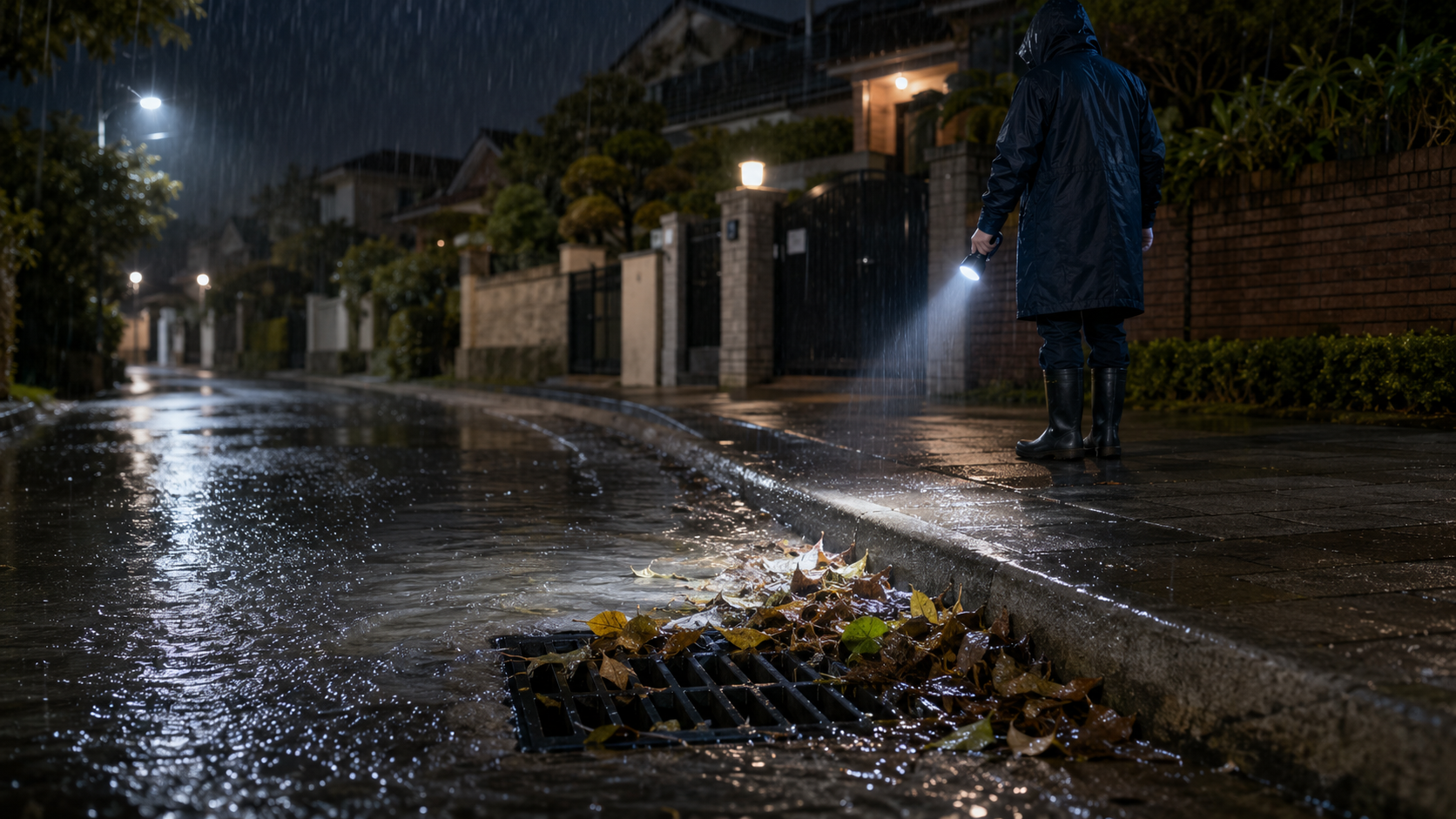
1. Check whether water has begun accumulating around underground parking garages and entrances to semi-basement homes.
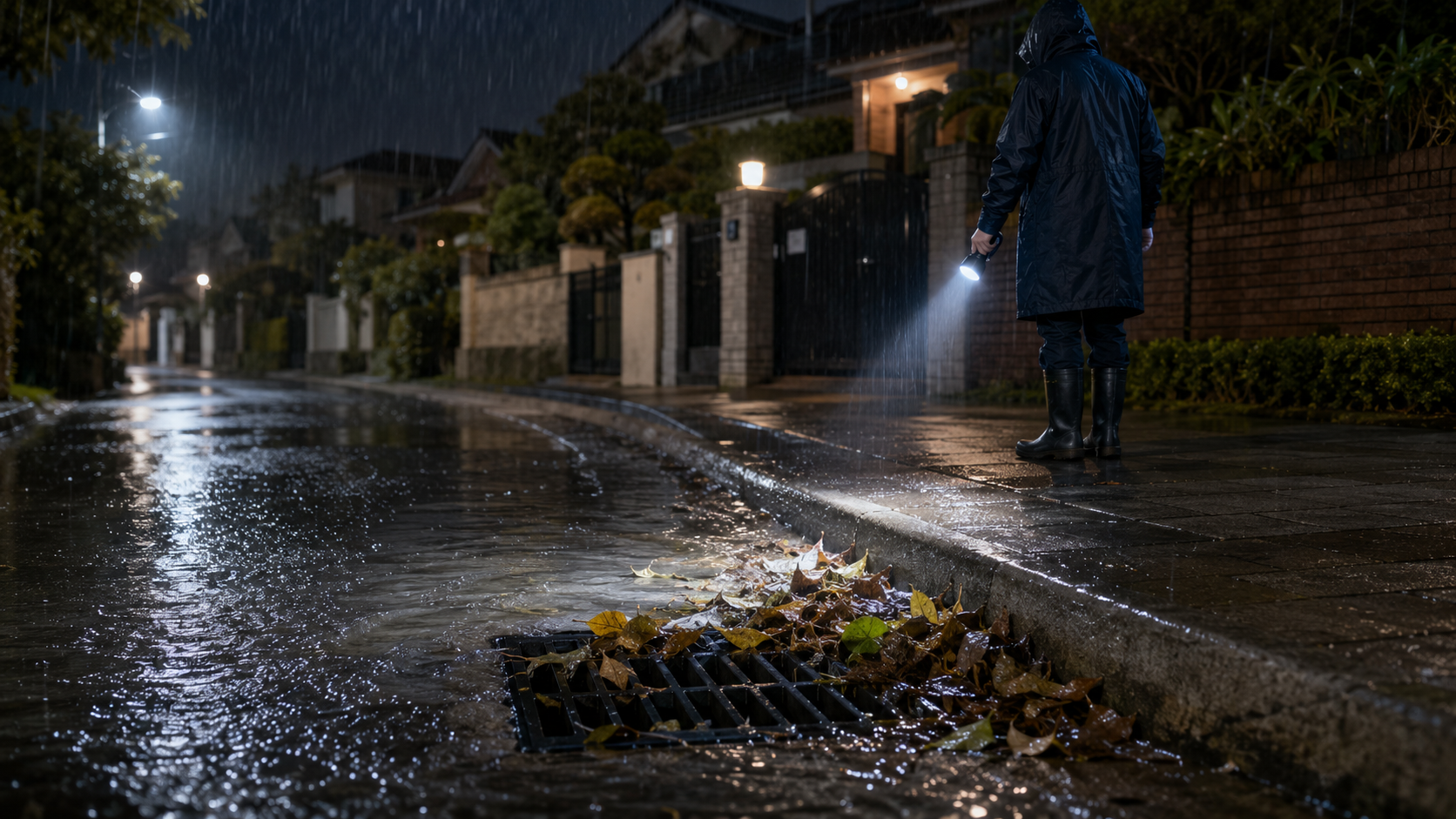
2. Where it is safe to do so, check whether trash or fallen leaves are blocking storm drains near your home.
3. Move vehicles parked near rivers or in riverside parking areas to higher ground before the rain intensifies.
4. Check that emergency alert notifications are enabled on your phone and that the battery is sufficiently charged.
5. If family members are in different locations, agree on how to contact one another and where to meet.
If water is already rising rapidly or backing up through drains, do not approach the area to try to fix the problem yourself. Instead, follow instructions from 119 or the relevant local government.
In particular, never enter an underpass or flooded road simply because the vehicle ahead has passed through. Water depth can be difficult to judge, and if your vehicle stalls, the doors may become difficult to open or your escape may be delayed.
3-Step Checklist Before Traveling Tomorrow Morning
Before setting out in the morning, it is more reliable to check the following three things in order than to rely solely on the rain icon in a weather app.
First, check KMA heavy rain alerts and radar imagery to see whether intense rain clouds are approaching your travel route.
Second, check local government emergency alerts and traffic announcements for closures affecting riverside roads, underpasses, and national highways. Roads reopened in the morning may be closed again depending on rainfall and river water levels.
Third, if your destination is a valley, mountain, or campsite, contact the facility directly to confirm whether it is operating. National park trails and riverside walking paths may remain closed even after the rain stops because of the risk of falling rocks or sudden torrents.
What matters more than the total amount of rain is how much falls within a short period and whether additional rain falls on already saturated ground.
This forecast is highly likely to change depending on the position of the stationary front. The information reflects conditions verified as of 22:02 on 2026-07-18, so anyone planning to travel early on 19 or later that morning should check the latest alerts again through the KMA's official weather website and official public safety guidance.
이 포스팅은 쿠팡 파트너스 활동의 일환으로, 이에 따른 일정액의 수수료를 제공받습니다.