

2026-07-20 Rain Forecast: Early-Morning Conditions on Chungnam's West Coast and What to Check Before Commuting
이 포스팅은 쿠팡 파트너스 활동의 일환으로, 이에 따른 일정액의 수수료를 제공받습니다.
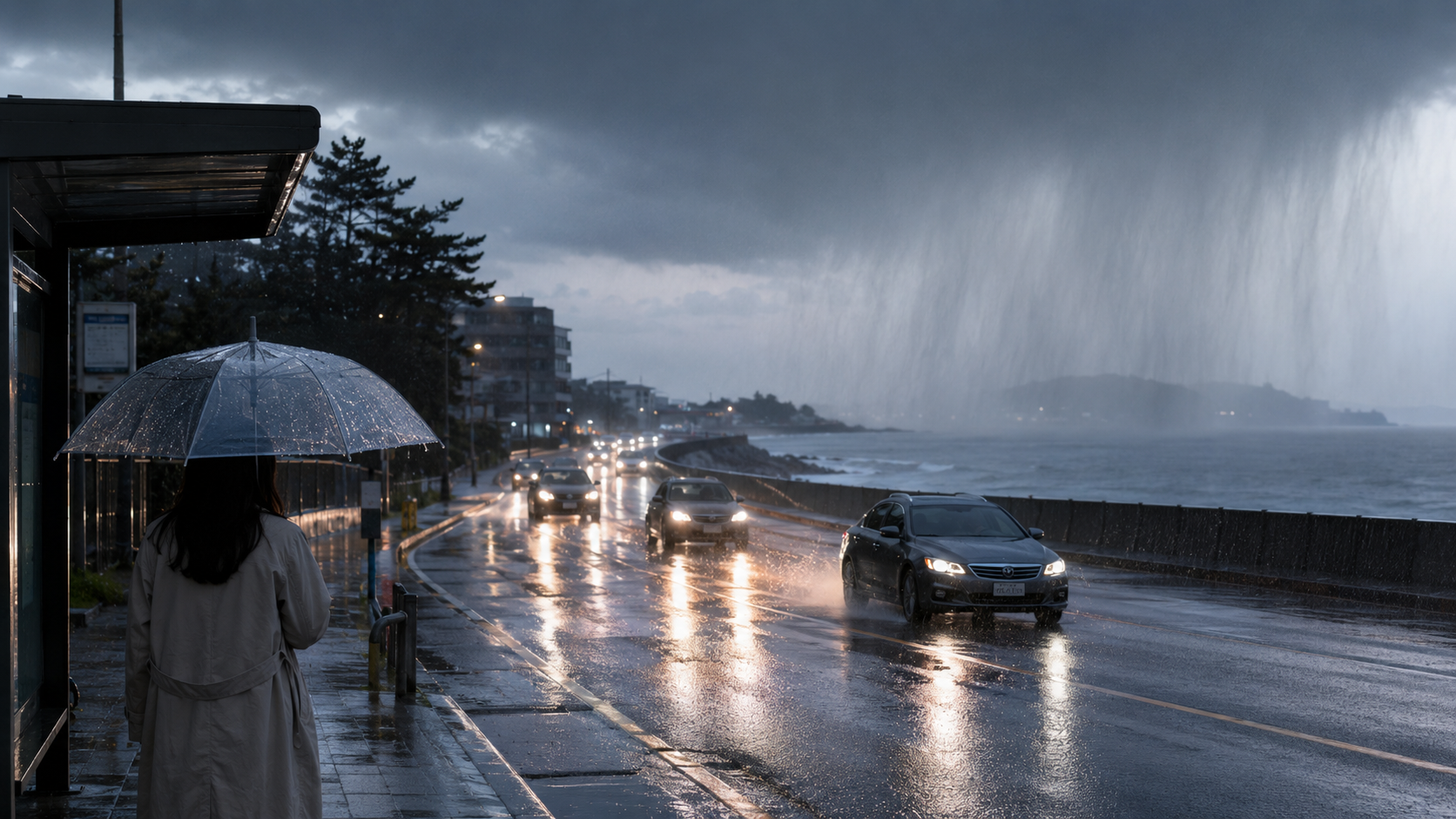
This article is based on the latest available reports and official information verified as of 2026-07-19 Korea Standard Time.
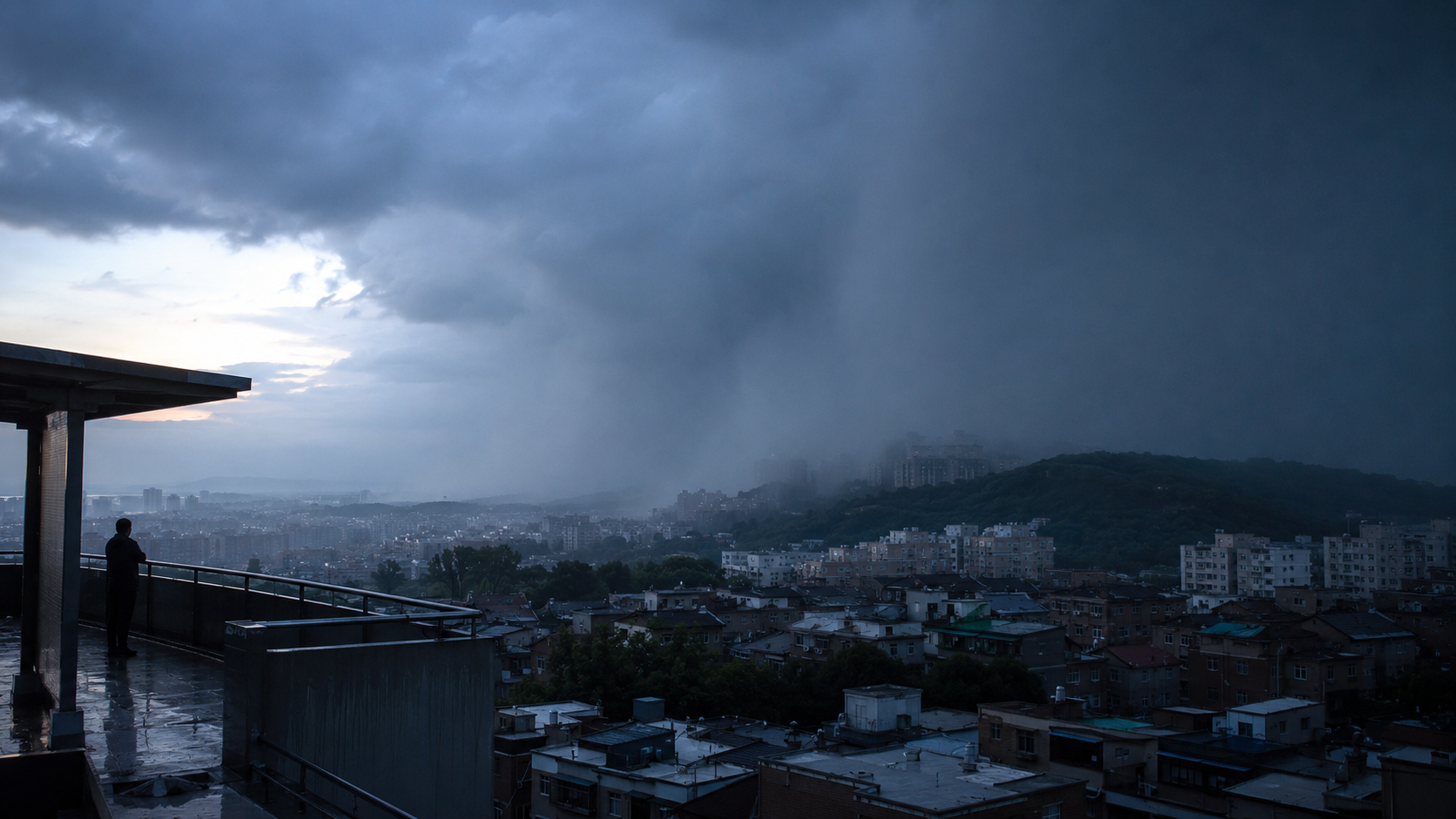
According to the Korea Meteorological Administration's announcement at 10:20 p.m. on 2026-07-19, some areas of Pohang were experiencing heavy rainfall of 20~30mm per hour, and rain is expected to spread again to the Seoul metropolitan area, the Chungcheong region, and other areas starting early on 20.
In particular, between 3 early in the morning and 9 in the morning on 20, along the western coast of South Chungcheong Province, heavy rainfall of 20~30mm per hour is expected. If you are commuting or traveling a long distance, check not only the current weather outside your home but also conditions at your destination and along your route.
The key is not whether the rain is light right now, but whether heavy rainfall will coincide with your travel time and route.
Heavy Rain Concentrated Around Pohang on the Night of July 19
In its very-short-range forecast issued at 22:20, the Korea Meteorological Administration reported that, as of 22:10, a heavy rain advisory or warning was in effect for Pohang, where some locations were experiencing intense rainfall of 20~30mm per hour.
Rain was also falling along the northern east coast of Gangwon Province, in eastern South Jeolla Province, and elsewhere in North Gyeongsang Province. Thunder and lightning were observed in some areas along the east coast of North Gyeongsang Province and over the southern Yellow Sea.
However, heavy rain advisories and warnings can be issued or lifted within a short period as rain bands move. If you live in or are traveling through Pohang or the eastern coastal areas of North Gyeongsang Province, it is safer to check the latest weather alerts immediately before departure rather than relying only on previously received emergency text messages.
Areas Where Rain Will Begin Early on July 20
Rain is not expected to intensify across the entire country simultaneously. Instead, it may continue in different areas at different times.
| Expected Time | Areas Where Rain Is Expected | What to Check |
|---|---|---|
| Until late at night on 19 | Mainly the east coast of North Gyeongsang Province | Brief periods of heavy rain, thunder, and lightning |
| Early on 20, 0~6 | Seoul metropolitan area, inland Gangwon Province, Chungcheong region, western North Jeolla Province | Check when rainfall is expected to resume |
| Early on 20, 3~9 in the morning | Mainly the western coast of South Chungcheong Province | Possibility of heavy rainfall of 20~30mm per hour |
| From the morning of 20 onward | Other parts of the country | Rain may continue or temporarily ease depending on the region |
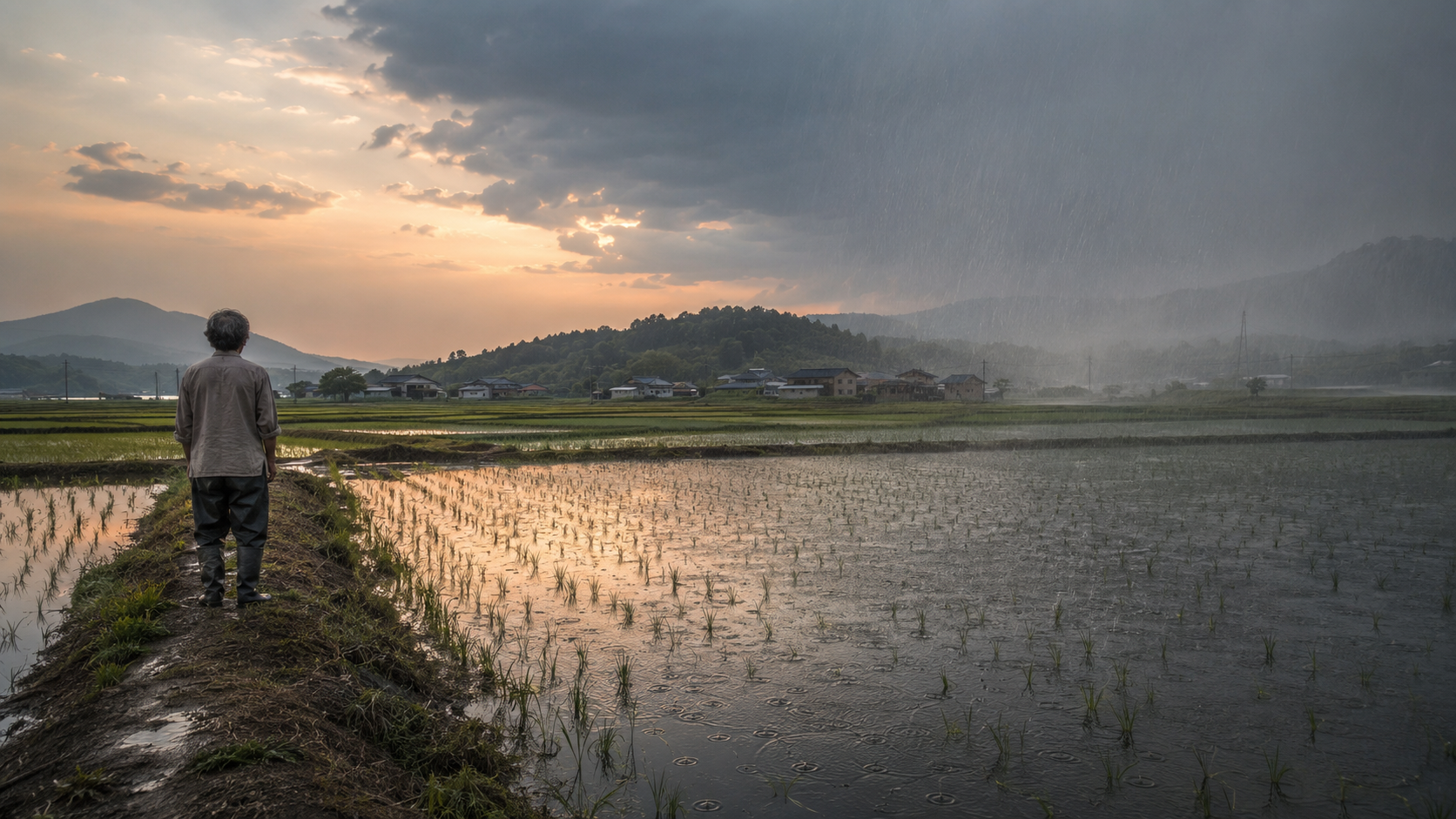
Even a slight shift in the position of the stationary front can change the actual onset and amount of rainfall. This timetable should not be treated as a fixed schedule but as a reference for checking the latest forecasts.
Places That Require Extra Attention When the Rain Temporarily Stops
From July 17 through the morning of 19, some locations in the Seoul metropolitan area, Gangwon Province, and parts of North Gyeongsang Province recorded accumulated rainfall of around 200mm. Even if the amount of new rainfall appears relatively small, the ground and drainage systems may already be saturated.
The lifting of a heavy rain advisory or warning, or a decrease in rainfall intensity, does not mean that river levels and landslide risks disappear at the same time.
When traveling, prioritize avoiding the following locations:
Underpasses and low-lying roads where water is beginning to accumulate
Riverside walking paths and low-water bridges
Valleys, campsites, and areas below steep slopes
Slopes where muddy water is flowing down or small rocks are falling
Underground parking garage entrances where water is backing up through drains
If the road ahead is flooded or you cannot determine the water's depth, do not enter; take an alternative route. If an electronic warning sign or road closure notice is displayed at an underpass entrance, the rule is to stay out even if the barrier has not been fully lowered.
What to Check During the 3 Minutes Before Departure
If you leave after checking only one screen of a weather app, you may miss moving rain bands or road closures during your journey. Checking the following three items in order can help you quickly identify the information you need.
1. Weather Advisories and Warnings
Check heavy rain advisories and warnings not only for where you live but also for your destination and areas along the way. Even neighboring administrative districts may have different alert statuses.
2. Weather Radar and Very-Short-Range Rainfall Forecasts
Look at the direction in which rain clouds are moving, rather than focusing only on where rain is currently falling. It may be clear when you depart, but a band of heavy rain could reach your destination around your expected arrival time.
3. Emergency Alerts and Road Closures
Check emergency text messages from local governments, traffic information, and closure notices for underpasses and riverside areas. Even if your navigation system provides directions, you must follow any road restrictions displayed at the location.
Checking weather alerts → radar → road closure information in that order allows you to assess both weather conditions and whether your planned journey is actually possible.
Warning Signs Around Your Home or Building That Mean You Should Evacuate
Near slopes or retaining walls, watch for unusual changes that differ from normal conditions.
Water suddenly emerging from the ground, previously clear water turning muddy, trees leaning, or rocks rolling downhill can indicate that the ground has become unstable. If new cracks appear in walls or retaining structures, or soil begins pushing outward, do not approach to investigate.
In underground spaces, if water backs up through drains, enters across the floor, or makes doors difficult to open, the priority is to move above ground immediately rather than delaying to relocate belongings or vehicles.
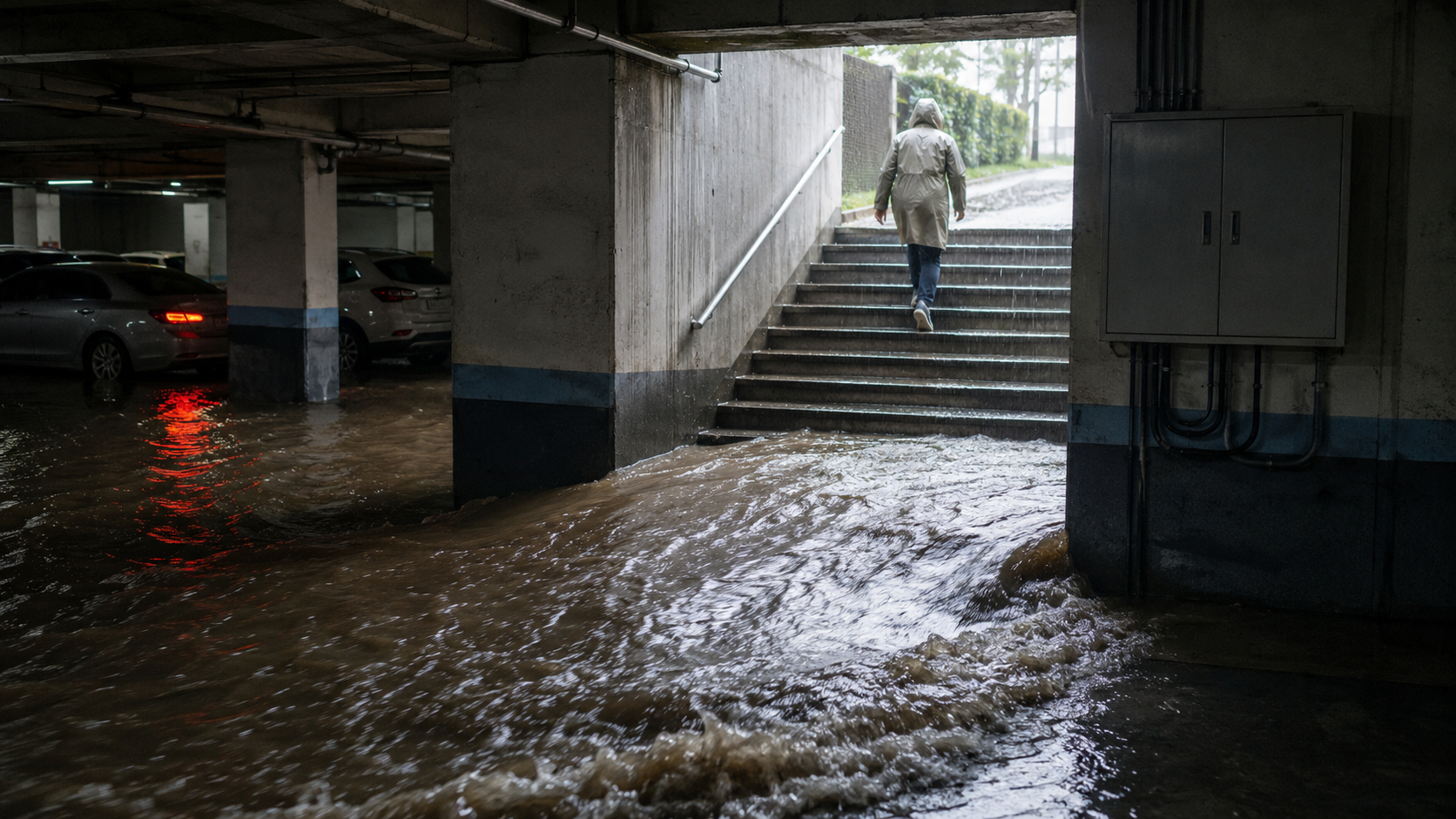
When water is entering rapidly, do not remain underground to move a vehicle or attempt to handle electrical equipment yourself.
이 포스팅은 쿠팡 파트너스 활동의 일환으로, 이에 따른 일정액의 수수료를 제공받습니다.