

Seoul Metropolitan Area Heavy Rain Alerts Lifted: Has the Rain Ended? Weather Outlook Through July 19
이 포스팅은 쿠팡 파트너스 활동의 일환으로, 이에 따른 일정액의 수수료를 제공받습니다.
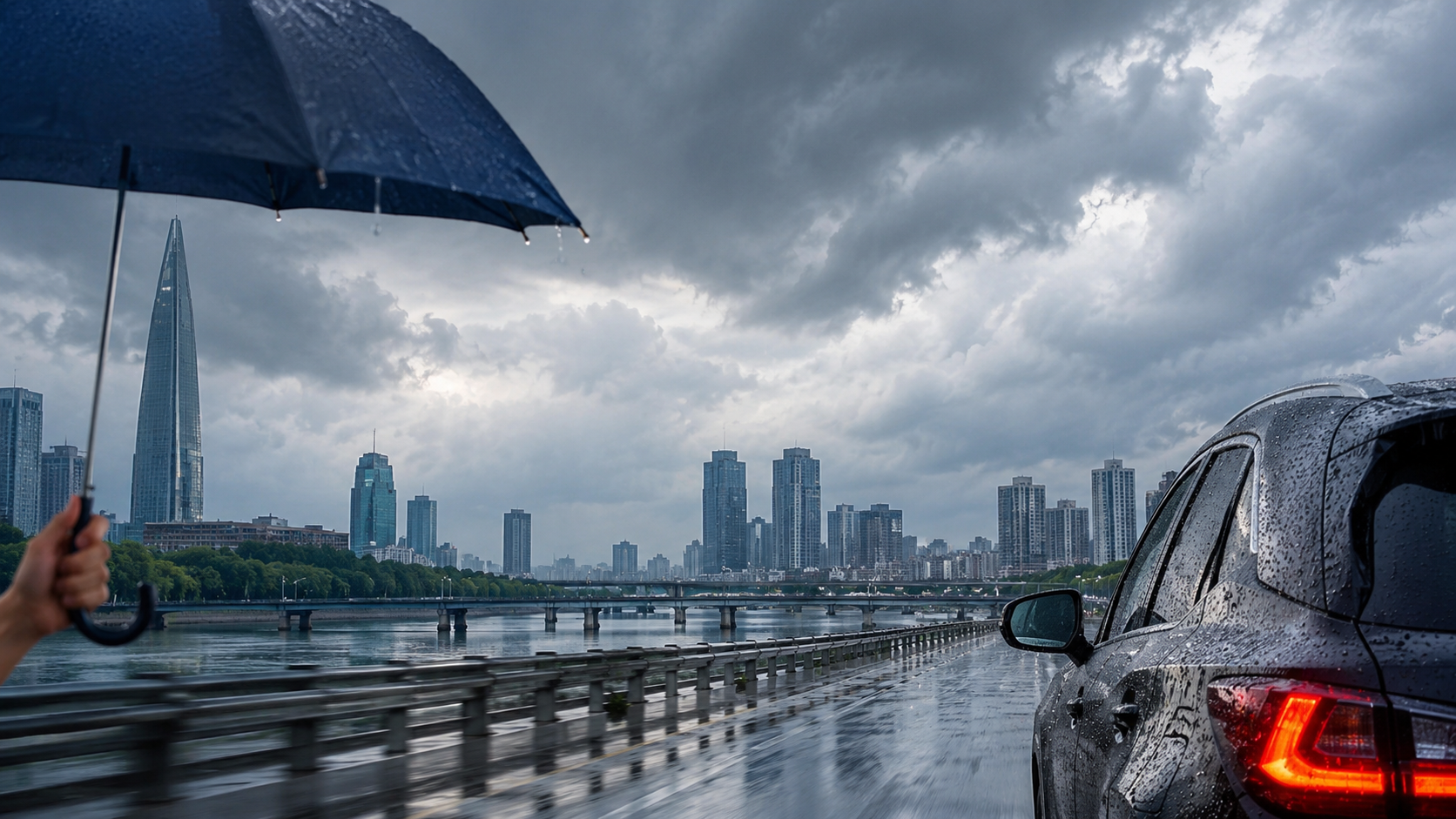
This article is based on the latest available news reports and official information verified as of 2026-07-18 Korea Standard Time (KST).
Although heavy rain alerts have been lifted for Seoul and parts of Gyeonggi Province, that does not mean the rain has completely ended.
As of 2026-07-18 at 4:12 p.m., the Korea Meteorological Administration (KMA) forecast indicates that rain will continue across most of South Korea through 19. Rainfall may temporarily weaken in the Seoul metropolitan area, but heavy rain could return, particularly in southern Gyeonggi Province. Checking the latest forecast again before traveling over the weekend is the safer option.
The lifting of a heavy rain alert means that the current risk level has fallen below the criteria for the alert. It does not mean that no further rain is expected.
How Much More Rain Is Expected in the Seoul Metropolitan Area?
The KMA has provided the following rainfall forecasts for 18–19:
| Region | Expected Rainfall |
|---|---|
| Southern Gyeonggi Province | 20–80 mm, with 100 mm or more in some areas |
| Seoul, Incheon, and northern Gyeonggi Province | 10–60 mm |
| 5 islands in the West Sea | 5–20 mm on 19 |
Seoul is expected to receive less rainfall than southern Gyeonggi Province. However, if rain clouds remain over a small area, rainfall could intensify over a short period.
In areas that have already experienced heavy rain, river levels may rise, roads may flood, and soil or debris may wash onto roads even if additional rainfall is relatively limited. These hazards can emerge after the heaviest rain has passed.
Do not immediately enter riverside walking paths, valleys, or underpasses simply because heavy rain alerts have been lifted.
Greater Caution Is Needed in Chungcheong and Gangwon Than in the Seoul Metropolitan Area
A comparison of regional forecasts indicates that Chungcheong and the inland and mountainous areas of Gangwon are expected to receive more rainfall this weekend.
Gangwon Province: 30–100 mm, with 150 mm or more in some inland and mountainous areas
Daejeon, Sejong, South Chungcheong, and North Chungcheong: 50–100 mm
Central and northern North Chungcheong: 200 mm or more in some areas
Daejeon, Sejong, South Chungcheong, and southern North Chungcheong: 150 mm or more in some areas
Daegu and North Gyeongsang: 30–100 mm, with 150 mm or more in some northern parts of North Gyeongsang
North Jeolla: 30–100 mm, with 120 mm or more in some areas along the province's western coast
Forecast rainfall totals do not mean that every location within a region will receive the same amount. Rainfall can vary significantly even within the same city or county, depending on where rain clouds move.
If you are planning a long-distance drive, check weather alerts for both your destination and the entire travel route, rather than looking only at conditions where you are departing.
What to Check Before Going Out This Evening
Instead of deciding whether to travel based on a single rain icon in a weather app, it is better to check conditions in the following order.
1. Check current weather alerts on the KMA's Weather Nuri website.
2. Use the ultra-short-term precipitation forecast to track the expected movement of rain clouds over the next 1–2 hours.
3. Check the areas along your expressway and national highway routes, not just your destination.

4. Review local government emergency text alerts for flooded roads and road closures.
5. Choose alternative routes that avoid underpasses and riverside roads.
Even if rain clouds appear weak on a weather map, rainfall can suddenly intensify while you are traveling. Radar imagery is a supplementary forecasting resource, so official weather alerts and emergency text messages should take priority.
What to Do If You Encounter a Flooded Road While Driving
If water is deep enough to submerge a vehicle's front wheels, or if the water surface surges significantly after another vehicle passes through, it is safer not to enter the flooded section.
It is difficult to accurately judge floodwater depth from inside a vehicle. Manhole covers may have been displaced, and parts of the road may also be damaged. Finding an alternative route and following instructions from traffic control personnel should be the priority.
If water has already entered your vehicle or the doors will not open, do not remain in the vehicle and attempt to continue driving. Request immediate assistance through 119.
Use a Lower Threshold for Canceling Valley Trips and Camping Plans
Even if rainfall is light where you are, heavy rain upstream can cause water levels in valleys and streams to rise suddenly.
Because it is difficult to determine whether there will be enough time to move tents or vehicles to higher ground, it is better to change plans for valley camping and riverside camping in areas where heavy rain is forecast.
The same applies to hiking. Immediately after rainfall stops, wet soil, falling rocks, and slippery wooden walkways can continue to pose accident risks.
Why You Should Check the Forecast Again After 19
The KMA's current outlook also includes the possibility of generally cloudy conditions and continued rainfall across South Korea on 20–21. However, changes in the position of the stationary front and the movement speed of low-pressure systems could alter where and when rain falls, as well as the expected rainfall totals.
Do not make a final decision about weekend outings based only on the previous day's forecast. Reassess conditions immediately before departure.
Checking current rain cloud movements, travel routes, and road closure information together is more useful for staying safe than relying solely on whether a heavy rain alert has been lifted.
이 포스팅은 쿠팡 파트너스 활동의 일환으로, 이에 따른 일정액의 수수료를 제공받습니다.