

Samsung Electro-Mechanics 2 Quarter Earnings Announcement Date: July 30 — 4 Key Changes to Watch
이 포스팅은 쿠팡 파트너스 활동의 일환으로, 이에 따른 일정액의 수수료를 제공받습니다.
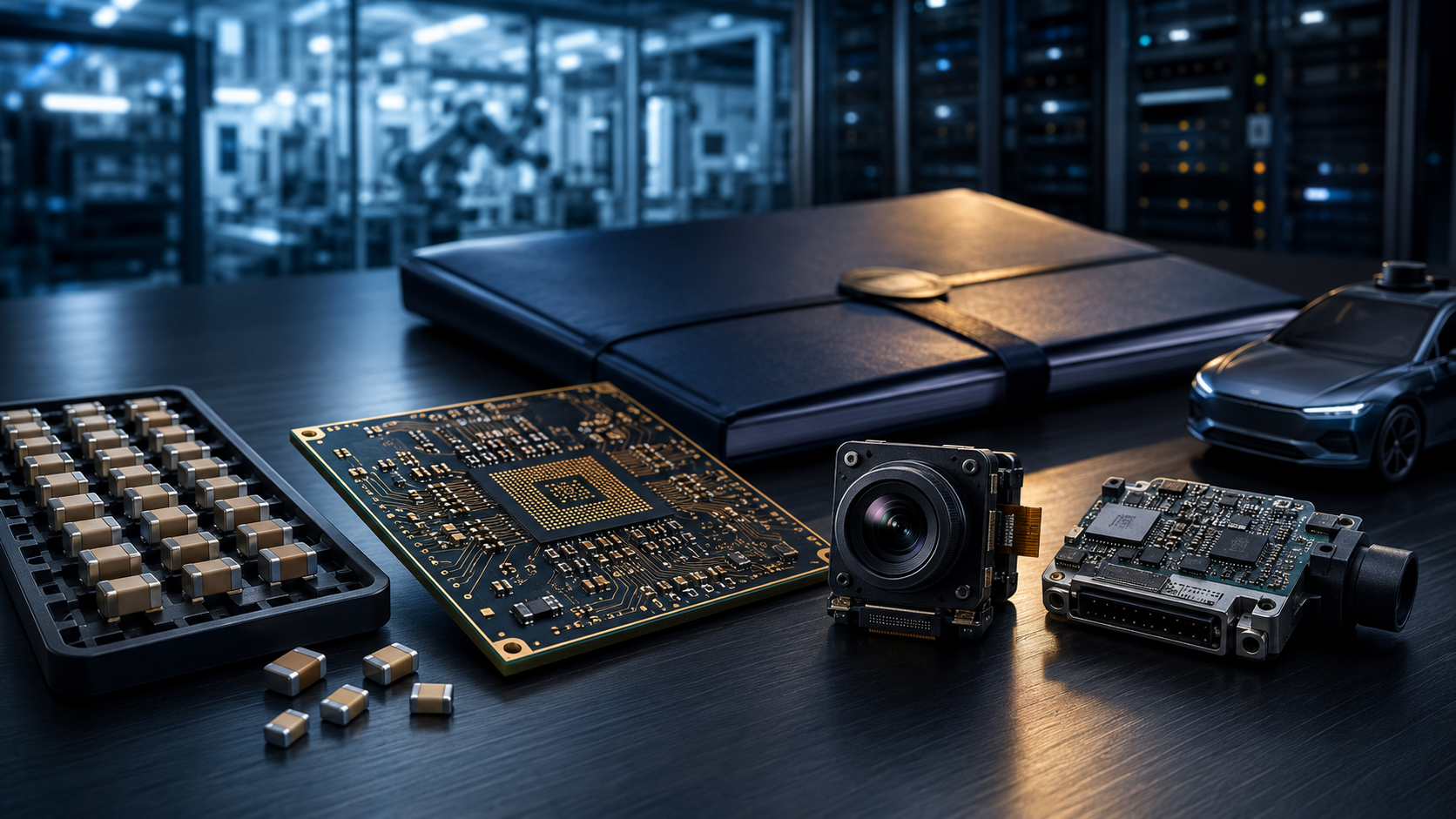
Samsung Electro-Mechanics is scheduled to announce its 2 quarter financial results at 1:30 PM on 2026-07-30.
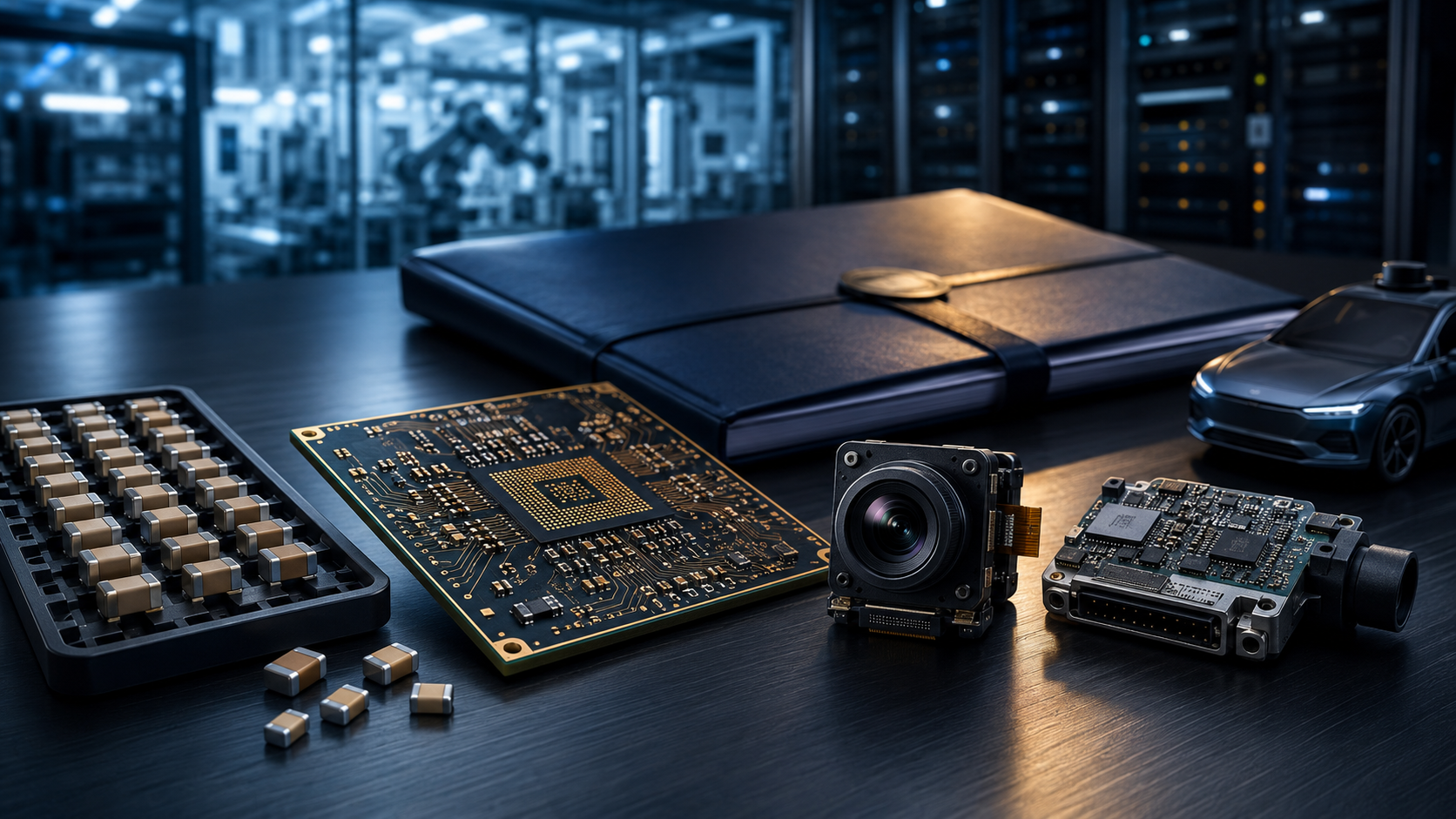
As of 2026-07-19 Korea Standard Time, understanding Samsung Electro-Mechanics requires looking beyond its 2 quarter earnings outlook to examine its MLCC supply contracts, silicon capacitor business, FCBGA investments, and glass core joint venture together.
Samsung Electro-Mechanics is transforming its business structure from one centered on smartphone components toward a greater share of high-value-added components for AI servers and automotive electronics.
Official Announcements Ahead of the Earnings Release
The company's recent announcements cover different types of developments, including contracts, investment plans, and the establishment of a joint venture.
| Announcement Date | Official Announcement | What to Check |
|---|---|---|
| May 20 | Silicon capacitor supply contract worth approximately KRW 1,500,000,000,000 | Contract period: 2027–2028 |
| June 30 | MLCC supply contract worth approximately KRW 453,994,800,000 | Supply period: 2027 |
| July 2 | Long-term investment plan of approximately KRW 8,000,000,000,000 in Sejong | Focus on high-performance package substrates for AI servers |
| July 2 | Decision to acquire a stake in a glass core joint venture | Acquisition amount: KRW 319,100,000,000; ownership stake: 66.2% |
| July 3 | Long-term investment plan of approximately KRW 15,000,000,000,000 in Busan | Package substrate and MLCC production and research hub |
| July 30 | Scheduled announcement of 2 quarter results for 2026 | Review actual revenue and profitability by business division |
The most important point is that not all the announced amounts will translate into revenue in the current quarter.
The silicon capacitor contract worth approximately KRW 1,500,000,000,000 is scheduled to run from 2027 through 2028. The MLCC contract worth approximately KRW 453,994,800,000 also has a supply period set for 2027.
Signing a large supply contract should not be confused with generating the same amount of revenue immediately in the current quarter.
How Are MLCCs, FCBGAs, Silicon Capacitors, and Glass Cores Connected?
The company's business direction becomes clearer when its announced products are examined according to the roles they play inside AI servers.
MLCCs help supply stable power to electronic circuits and filter out unwanted electrical signals. As power consumption increases in AI servers and automotive electronic systems, high-capacitance, high-reliability products become increasingly important.
FCBGAs connect semiconductor chips, such as CPUs and AI accelerators, to main circuit boards. As semiconductor performance increases, package substrates generally become larger and require more layers, making manufacturing technology and yield management critical.
Silicon capacitors are positioned close to chips inside high-performance semiconductor packages, where they help reduce sudden power fluctuations and electrical noise. Samsung Electro-Mechanics described its latest contract as the first major supply achievement from this new business.
Glass cores are a key material used in next-generation package substrates. According to the company's disclosure, the joint venture it is establishing will primarily manufacture and sell glass cores.
Although MLCCs, silicon capacitors, FCBGAs, and glass cores are different products, they share a common role as components involved in supplying power to AI semiconductors and connecting semiconductor chips.
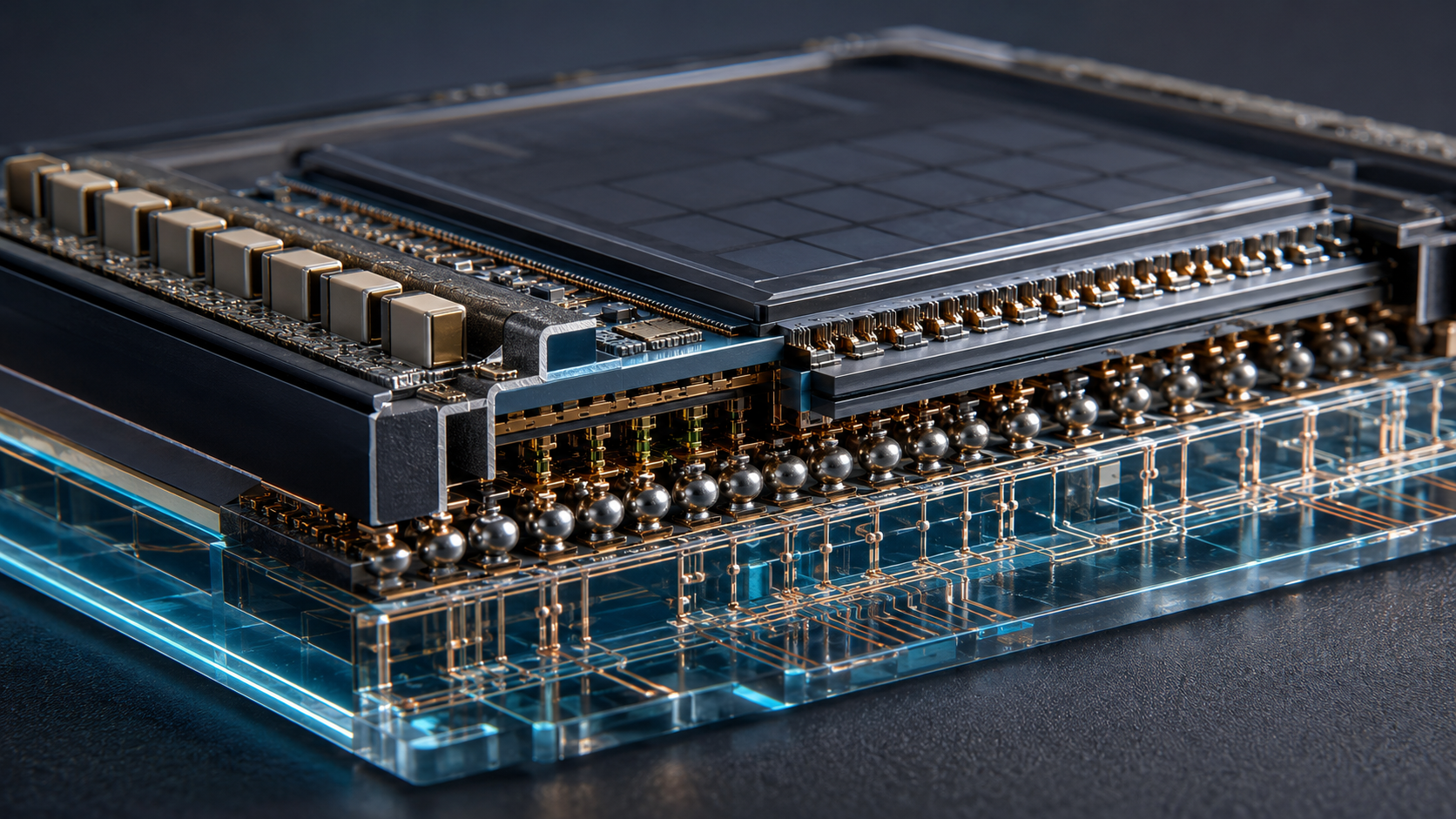
The KRW 23,000,000,000,000 Investment Will Not Be Spent All at Once
Samsung Electro-Mechanics' announced medium- to long-term investment plans total approximately KRW 23,000,000,000,000, combining approximately KRW 15,000,000,000,000 for Busan and approximately KRW 8,000,000,000,000 for Sejong.
The company plans to develop Busan into a production and research hub for AI data center and server package substrates, as well as high-value-added MLCCs. Its Sejong investment focuses on expanding production facilities and developing technology for high-performance package substrates used in AI servers.
However, the investment period extends from 2026 through 2040.
This does not mean the company will spend KRW 23,000,000,000,000 all at once. Instead, it is a medium- to long-term plan that may be implemented in multiple stages depending on market demand, customer acquisition, and production facility operations.
The company also disclosed that the actual investment amount, schedule, and details may change depending on future market and business conditions.
The glass core joint venture investment is more specific than the long-term investment plans. Samsung Electro-Mechanics plans to establish a joint venture with Dongwoo Fine-Chem, an affiliate of Japan's Sumitomo Chemical, and invest KRW 319,100,000,000 to acquire an 66.2% ownership stake.
The scheduled acquisition date is 2026-09-01. However, rather than assuming the joint venture will immediately generate substantial revenue from finished glass substrates, investors should monitor the construction of production facilities, customer qualification processes, and the timing of mass production.
1 Quarter Results Provide the Current Performance Benchmark
Samsung Electro-Mechanics recorded KRW 3,209,100,000,000 in consolidated revenue and KRW 280,600,000,000 in operating profit for the 1 quarter of 2026.
Revenue by business division was as follows.
| Business Division | 1 Quarter Revenue, 2026 | Main Products |
|---|---|---|
| Components | KRW 1,408,500,000,000 | MLCCs |
| Package Solutions | KRW 725,000,000,000 | FCBGAs and BGAs |
| Optical Solutions | KRW 1,075,600,000,000 | Smartphone and automotive camera modules |
In the 1 quarter, the Components division, which includes MLCCs, accounted for the largest share of revenue at approximately 44%. Optical Solutions, which includes camera modules, also represented approximately 34%, remaining an important business.
Therefore, viewing Samsung Electro-Mechanics solely as an AI substrate company does not fully reflect its current business structure.
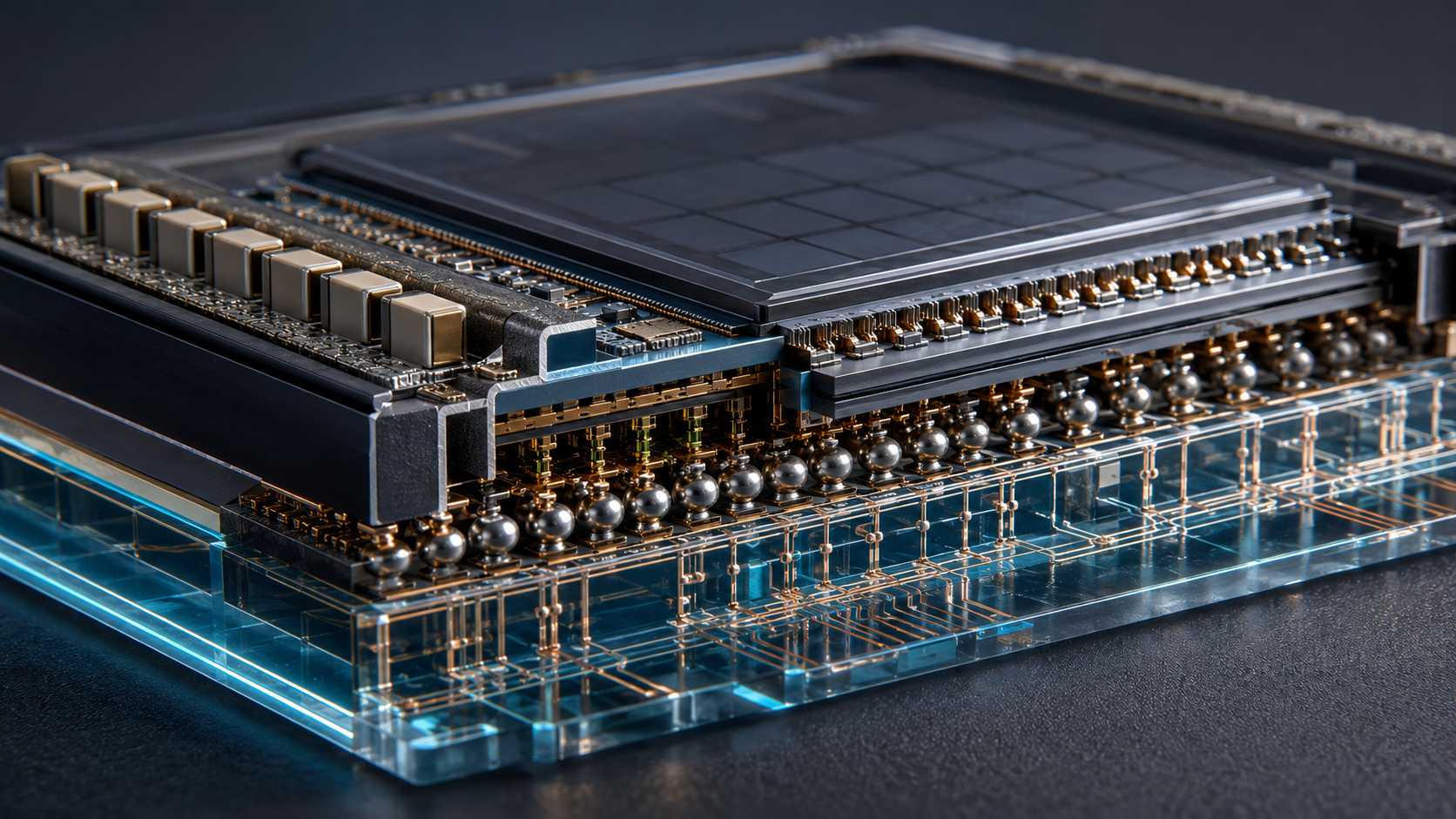
Although AI and automotive components are emerging as growth drivers, seasonal fluctuations in demand for smartphone camera modules and mobile components can still affect earnings.
What to Check on July 30, in Order
Once the earnings report is released, it is worth checking the following items before focusing on whether the headline figures beat expectations.
Whether total revenue and operating profit in the 2 quarter increased compared with the 1 quarter
Whether revenue and profitability improved in the Components division, which includes MLCCs
Whether expanded FCBGA supplies for AI servers were reflected in Package Solutions results
Whether automotive camera modules offset seasonal revenue declines in Optical Solutions
Whether the company provided actual spending schedules and annual investment amounts for its KRW 23,000,000,000,000 long-term investment plan
Whether the revenue recognition schedules for the silicon capacitor and MLCC contracts became more specific
Samsung Electro-Mechanics' recent announcements are significant because they show its AI components business expanding beyond existing MLCCs and FCBGAs into silicon capacitors and glass cores.
However, long-term investment plans, future supply contracts, and current-quarter financial results operate on different timelines. Failing to distinguish between them could lead to an assessment that overstates how quickly the company is changing.
At the July 30 earnings announcement, it will be more important to examine how much AI, server, and automotive products have contributed to revenue growth across the company's business divisions than simply whether operating profit exceeded expectations.
This article summarizes publicly available official information for easier understanding and does not constitute a recommendation to buy or sell any particular stock.
이 포스팅은 쿠팡 파트너스 활동의 일환으로, 이에 따른 일정액의 수수료를 제공받습니다.