

U.S. Stock Stop-Loss Orders: Are They Triggered by the Last Trade or the Quote? Why Stop-Loss Rules Differ by Broker
A U.S. stock stop-loss order is triggered when the price you set is reached, but brokers do not all use the same standard to determine whether that price has been reached. Some use the actual trade price (Last Sale), while others use the quote (Quote), so the trigger time can differ even when the stock and stop price are the same. This is especially true when the stock price
This post contains Coupang Partners affiliate links. We may earn a commission from qualifying purchases.
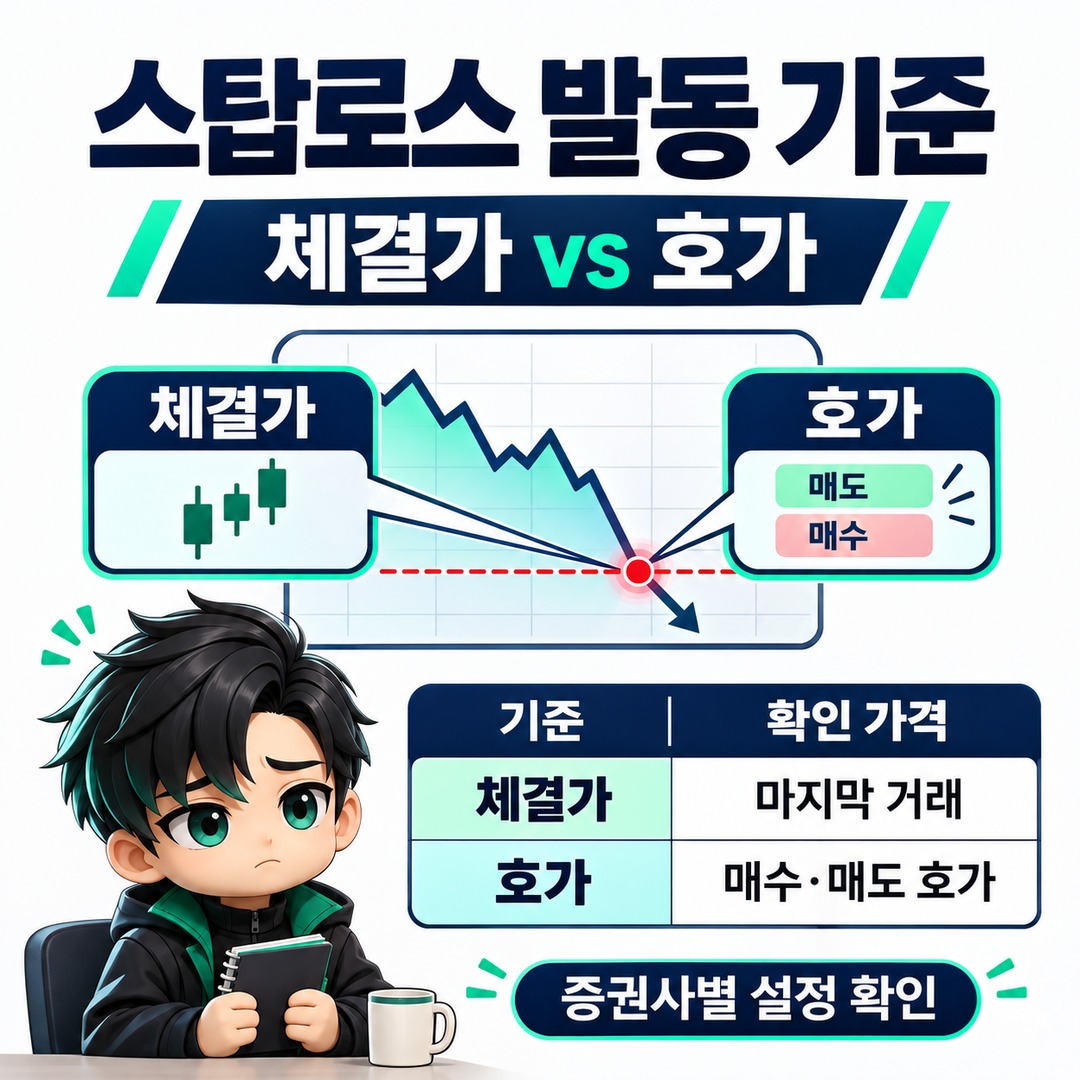
A U.S. stock stop-loss order is triggered when the price you set is reached, but brokers do not all use the same standard to determine whether that price has been reached. Some use the actual trade price (Last Sale), while others use the quote (Quote), so the trigger time can differ even when the stock and stop price are the same.
When a stock moves quickly near the stop price, checking only the last trade price can make it difficult to understand why the order did or did not trigger.
Are U.S. Stock Stop-Loss Orders Triggered by the Last Trade or the Quote?
The answer depends on the broker’s order-handling method.
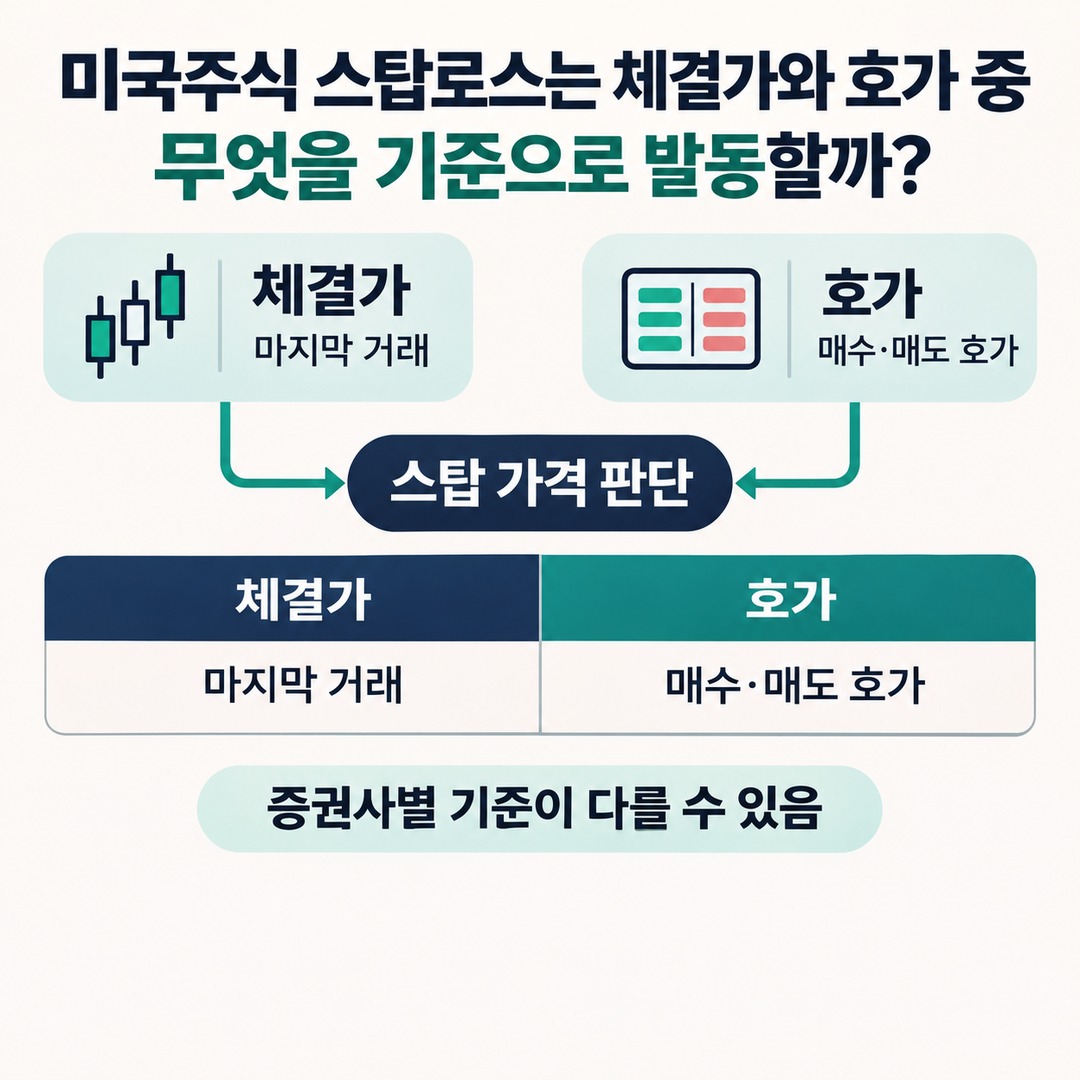
The U.S. Securities and Exchange Commission (SEC) explains in its updated investor bulletin 2026-08-18 that brokers may use different standards to determine whether a stop price has been reached.
Some brokers use the last trade price (Last Sale), while others may use the quote (Quotation). As a result, the current price shown on an investor’s chart may not match the actual order trigger standard. Investor
1. How Do Last-Trade and Quote-Based Standards Differ?
The main difference between the two methods is whether a trade must actually occur for the stop-loss order to trigger, or whether a change in the quote alone can trigger it.
| Category | Last-trade standard | Quote standard |
|---|---|---|
| Information used | Last trade price | Bid and ask quotes |
| Actual trade | Requires confirmation of a trade | Can be determined by a change in the quote |
| Characteristic | Focuses on the actual trade price | Reflects changes in order-book prices |
| Caution | May not trigger if no trade occurs | May be sensitive to quote fluctuations |
For example, suppose you set a sell stop price for a U.S. stock at USD 100.
Last trade price: USD 100.20
Bid: USD 99.90
Ask: USD 100.05
Stop price: USD 100
With a last-trade-based standard, the trigger condition has not been met because the last trade price has not yet fallen below USD 100.
By contrast, for an order using a quote-based standard, whether it triggers may depend on the quote conditions set by the broker.
The key point is that a quote-based standard does not mean every broker uses the same quote—the bid or the ask.
Therefore, you should not assume that an order is correctly waiting to trigger simply because the current price is above the stop price.
2. Do Brokers Actually Use Different Trigger Standards?
Yes. Differences can also be seen in the order descriptions published by overseas brokers.
Interactive Brokers (IBKR) allows users to configure how stop orders are triggered.
Its official order guide explains that the default trigger method may vary depending on the type of financial instrument, and that users can change the Trigger Method for individual orders or in their default settings. Interactive Brokers LLC
IBKR’s related order settings include the following methods:
Last: Based on the last trade price
Double Last: Based on two consecutive trade prices
Bid/Ask: Based on quotes
Double Bid/Ask: Based on two consecutive quotes
Last OR Bid/Ask: Combines trade-price or quote conditions
However, not every method is available in the same way for every stock and account, and the conditions for applying them may vary by instrument and order setup. Interactive Brokers+1
By contrast, Charles Schwab describes its standard sell stop order for stocks as converting to a market order when a trade occurs at or below the set price. Charles Schwab
This difference is more than just a matter of how a broker’s app looks.
It means that the order itself may trigger at a different time.
3. Why Does an Order Trigger at the Same Stop Price for One Broker but Not Another?
Consider the following situation.
The stock price is moving near USD 100, and an investor has set a sell stop at USD 99.
Now suppose the quote moves sharply for a moment, but no actual trade occurs below USD 99.
The following difference may arise:
Last-trade-based order
It may not trigger if the last trade price has not fallen to or below USD 99.
Quote-based order
It may trigger even if the last trade price remains above USD 99, provided the broker’s quote condition has been met.
The reverse situation is also possible.
The actual trade price may fall below the stop price, but a quote-based order may not trigger if the separate quote condition that applies to the order has not been met.
As this shows, the current price on a chart alone may not explain whether a stop order will trigger, because the order system may check different price information.
4. 5 Settings to Check in Your U.S. Stock Account
Before setting a stop order, it is a good idea to check the following:
1. Trigger Price standard: Check whether it is based on the last trade price or the quote.
2. Trigger Method: Check whether you can select a separate trigger method, such as Last or Bid/Ask.
3. Differences by instrument: Check whether the trigger standard is the same for stocks, ETFs, and options.
4. Trading-hours conditions: Check whether stop orders trigger outside regular trading hours.
5. Order handling method: Check whether the broker monitors the conditions in its own system or sends the order to an exchange.
In particular, when trading foreign stocks through a domestic broker, you should consider both the broker’s own order-handling policies and the execution environment at the overseas exchange.
Simply seeing the name “Stop Market” in the app does not tell you the actual trigger standard.
If you contact customer support, you can ask the following:
Getting an answer to this question will help you understand exactly under what conditions your order will work.
5. Knowing the Stop-Loss Trigger Standard Does Not Limit Your Losses
There is one more point to keep in mind.
Even if you know exactly how a stop order is triggered, there is no guarantee that your shares will be sold at the price you set.
A stop market order becomes a market order when its condition is met, so the actual selling price depends on liquidity and order-book conditions at that time.
A stop limit order can prevent a sale at a price worse than the limit you set, but it may not execute if the market price falls below that limit.
The U.S. SEC also explains these differences between the two orders and the risks of price fluctuations in its official investor bulletin. Investor
To understand U.S. stock stop-loss orders, you need to distinguish three things:
Trigger standard: What price information causes the order to activate?
Order conversion: After triggering, does it become a market order or a limit order?
Actual execution: At what price and for what quantity is the converted order executed?
These are three separate stages.
Setting a stop price alone cannot manage every risk associated with an order. It is important to first check which prices your broker monitors and how it handles orders.
※ This article is for informational purposes to help readers understand market activity and is not a recommendation to invest in any specific security or asset. You are responsible for your own decisions and investments.
This post contains Coupang Partners affiliate links. We may earn a commission from qualifying purchases.